
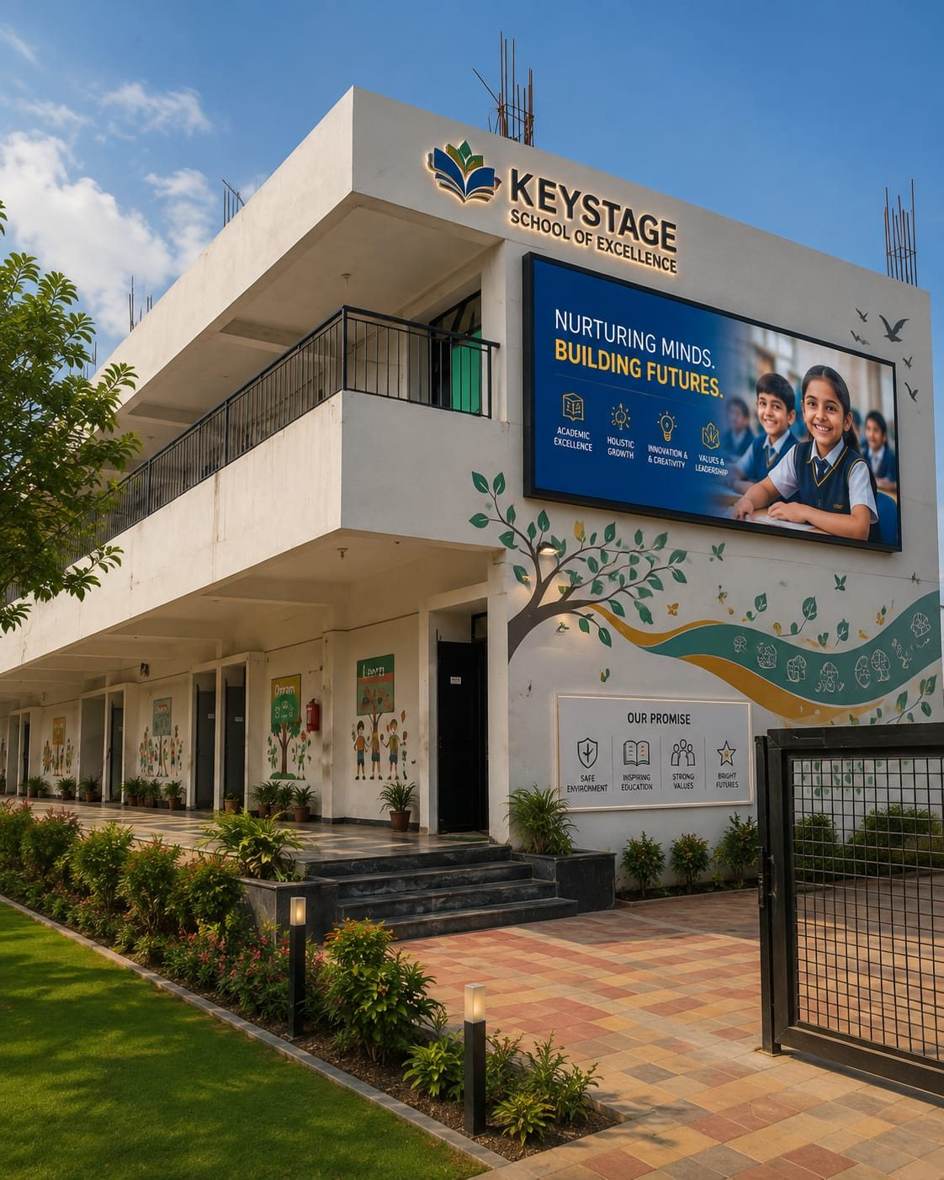
A British curriculum.
An Indian campus.
Your child's future.
Keystage School of Excellence runs Grade 1 to Grade 12 on the Pearson Edexcel curriculum — International GCSEs and GCE A Levels, the qualifications universities read the world over, taught here at home.
one continuous school
British curriculum
and GCE A Level
capped by design
Nine reasons this school
is different.
Not a list of facilities. A list of decisions we have taken deliberately, each of which you can hold us to.
A genuinely international qualification
Pearson Edexcel International GCSE and GCE A Level — recognised by universities in the UK, US, Canada, Australia, Singapore and across India.
Understanding over memorising
The British curriculum rewards application and analysis rather than recall. Children are asked why far more often than they are asked what.
Subject choice that is real
From Grade 9 students build their own combination. A child strong in the sciences is not forced away from art, and the reverse holds too.
Class sizes we will not raise
Capped by design, not by circumstance. A teacher who can name every child's weak topic is worth more than any facility on this page.
Sport is timetabled, not optional
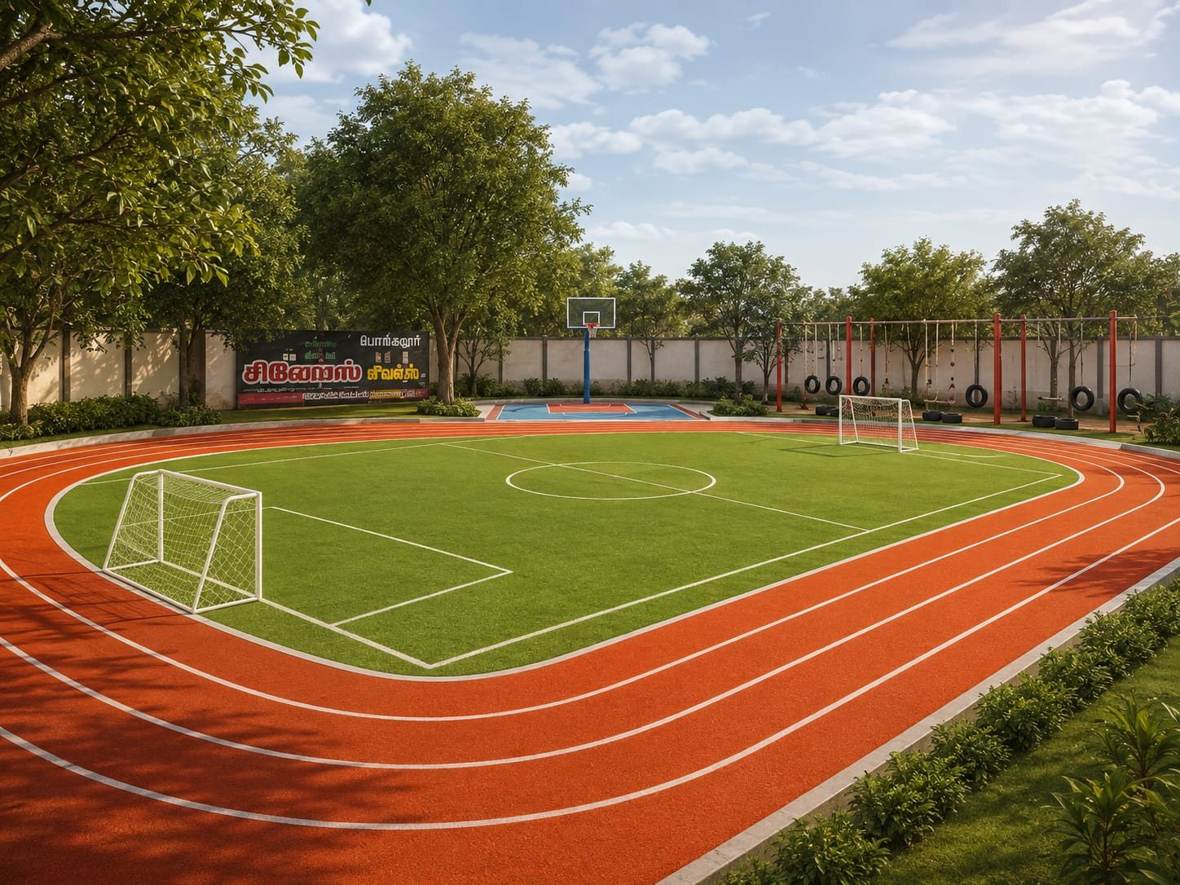
A full athletics track, football turf, basketball court and training area — used in curriculum time by every grade, every week.
Arts with equal standing
Music, dance, theatre and visual art run as scheduled subjects with specialist teachers, not as an activity squeezed into the last period on Friday.
One school, age two to eighteen
Keystage Pre School feeds directly into Grade 1. Sixteen years of a child's education on one campus, with one philosophy behind it.
University guidance from Grade 9
Subject choices, portfolios, entrance requirements and applications — planned four years out, not started in the final term.
Parents are told the truth
Honest reporting, direct access to subject teachers, and a school that will tell you what your child needs to work on before you have to ask.
Pearson Edexcel —
the British curriculum,
explained plainly.
Pearson Edexcel is one of the United Kingdom's largest awarding bodies. Its International GCSE and GCE A Level qualifications follow the UK school curriculum and are accepted by universities worldwide. Here is what that actually means for your child, year by year.
Primary years
Grades 1 to 5. English, Mathematics, Science, Humanities, Tamil and Hindi, Computer Science, Global Perspective, Art, Music and Physical Education — taught through enquiry, with strong literacy and numeracy foundations.
Lower secondary
Grades 6 to 8. Subjects separate and deepen. Students learn to structure an argument, design an experiment and manage their own study — the groundwork for International GCSE.
International GCSE
Grades 9 and 10. Students take a chosen set of Edexcel International GCSE subjects, examined externally, graded 9 to 1. The first internationally portable qualification your child earns.
International AS & A Level
Grades 11 and 12. Three or four subjects studied in real depth, through AS and A2. The qualification universities in the UK, Australia, Canada, Singapore and India use to make offers.
What parents gain – practical learning - no rote learning.
- Portability. If the family relocates, the qualification travels. An Edexcel International GCSE means the same thing in Chennai, Dubai or Manchester.
- University access. A Levels are the standard entry qualification for UK universities and are widely accepted elsewhere, including by Indian universities.
- Depth over breadth at the top. Three or four A Level subjects studied deeply prepares a student for a specialised undergraduate degree.
- Assessment that is fair. Externally set and marked papers, with clear published grade criteria and no dependence on internal favour.
- English as the working language. Taught, assessed and reported in English throughout, which matters at the university application stage.
Questions we get asked
Can my child still study in India afterwards?
Yes. Indian universities accept A Levels, and students routinely go on to Indian degree programmes. We help families check the specific requirements of each target university during Grade 11.
What about competitive entrance exams?
Students aiming at engineering or medical entrance exams take mathematics, physics, chemistry or biology at A Level, which covers the underlying content. Exam-specific coaching is arranged separately and we will be candid with you about what that involves.
Is it harder than a state or national board?
It is different rather than harder. There is less to memorise and more to explain. Children who like understanding how things work usually find it a relief; children used to learning by repetition need a term or so to adjust, and we support that transition deliberately.
Can we join from a CBSE or state board school?
Yes, and many of our students do. We assess current levels in English and mathematics, place the child appropriately and run a structured bridge programme through the first term.
How a lesson
actually runs.
Direct teaching, then application, then feedback that is specific enough to act on. Nothing exotic — just done properly, every period, in every subject.
- Capped class sizes so every child is known by name and by weakness
- Subject specialists from Grade 6 upward
- Continuous assessment alongside formal termly examinations
- Written feedback a student can act on, not a grade alone
- Remedial and extension support built into the timetable
- Science, computing and language laboratories used weekly
- Parent access to subject teachers, not only to the class teacher
The subject map
| Stage | Grades | Core subjects | What changes at this stage |
|---|---|---|---|
| Primary | 1 – 5 | English, Mathematics, Science, Social Studies, Tamil, Hindi, Computer Science , Global Perspective, Art, Music, PE | Literacy and numeracy foundations, curiosity, learning to work with others. |
| Lower secondary | 6 – 8 | English, Mathematics, Physics, Chemistry, Biology, Computer Science, Global Perspective, Languages, ICT, Art, Music, PE | Subjects separate. Independent study skills and written argument begin in earnest. |
| International GCSE | 9 – 10 | English Language, Mathematics, Sciences, plus chosen options from humanities, business, computer science, languages and the arts | Students choose their subject set. External Edexcel examinations at the end of Grade 10. |
| International AS & A Level | 11 – 12 | Three or four subjects taken in depth through AS and A2 | Specialisation, independent research, and the university application built alongside it. |
A school built the right way round. On the same campus.
Keystage did not begin as a building looking for students. It began as a pre-school that worked, and a queue of parents asking the same question — what happens after UKG?
The honest answer, at the time, was that families had to leave for a school that would not know their child, on a syllabus built for memorising. So we built the alternative: a senior school on the different campus, on a curriculum that rewards understanding, with the same people responsible for it.
- Founded on a continuous age-two-to-eighteen philosophy, not an expansion plan
- Pearson Edexcel chosen deliberately, for portability and for how it teaches thinking
- Campus infrastructure built ahead of enrolment, not promised against it
- Committed to capped class sizes even as the school grows
From the Chairman & Director
Why we built a British
curriculum school here.
The two people responsible for Keystage School of Excellence, on the choices behind it.
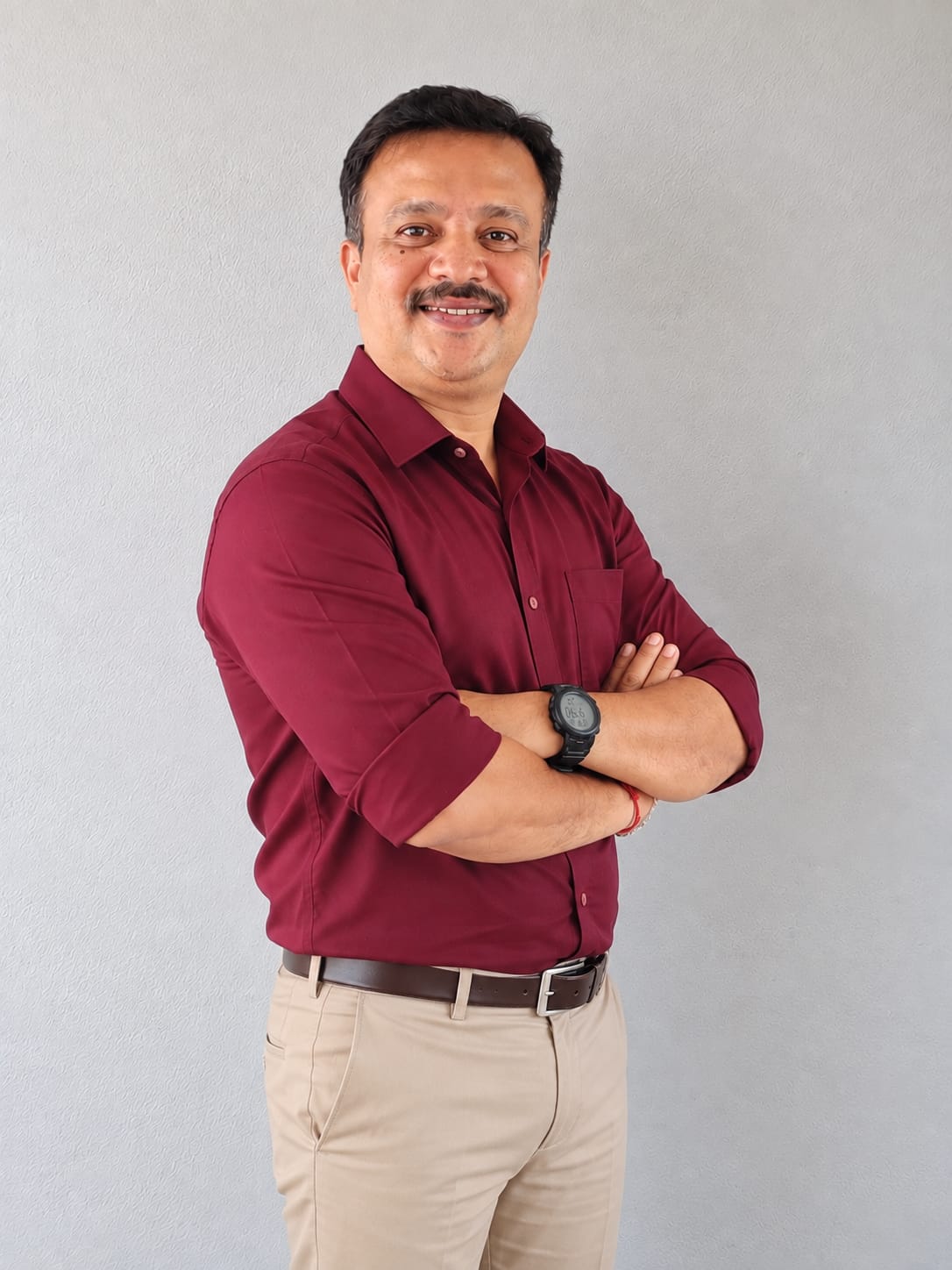
D. Rajesh
We chose Pearson Edexcel deliberately, and it was not the easy choice. A British curriculum in Palladam takes more effort to staff and more effort to explain than the alternatives.
We chose it because it asks a child why far more often than it asks them what — and because the qualification travels. A student who leaves us can apply in Coimbatore or in Canada on the same certificate. That is the door we wanted to leave open.
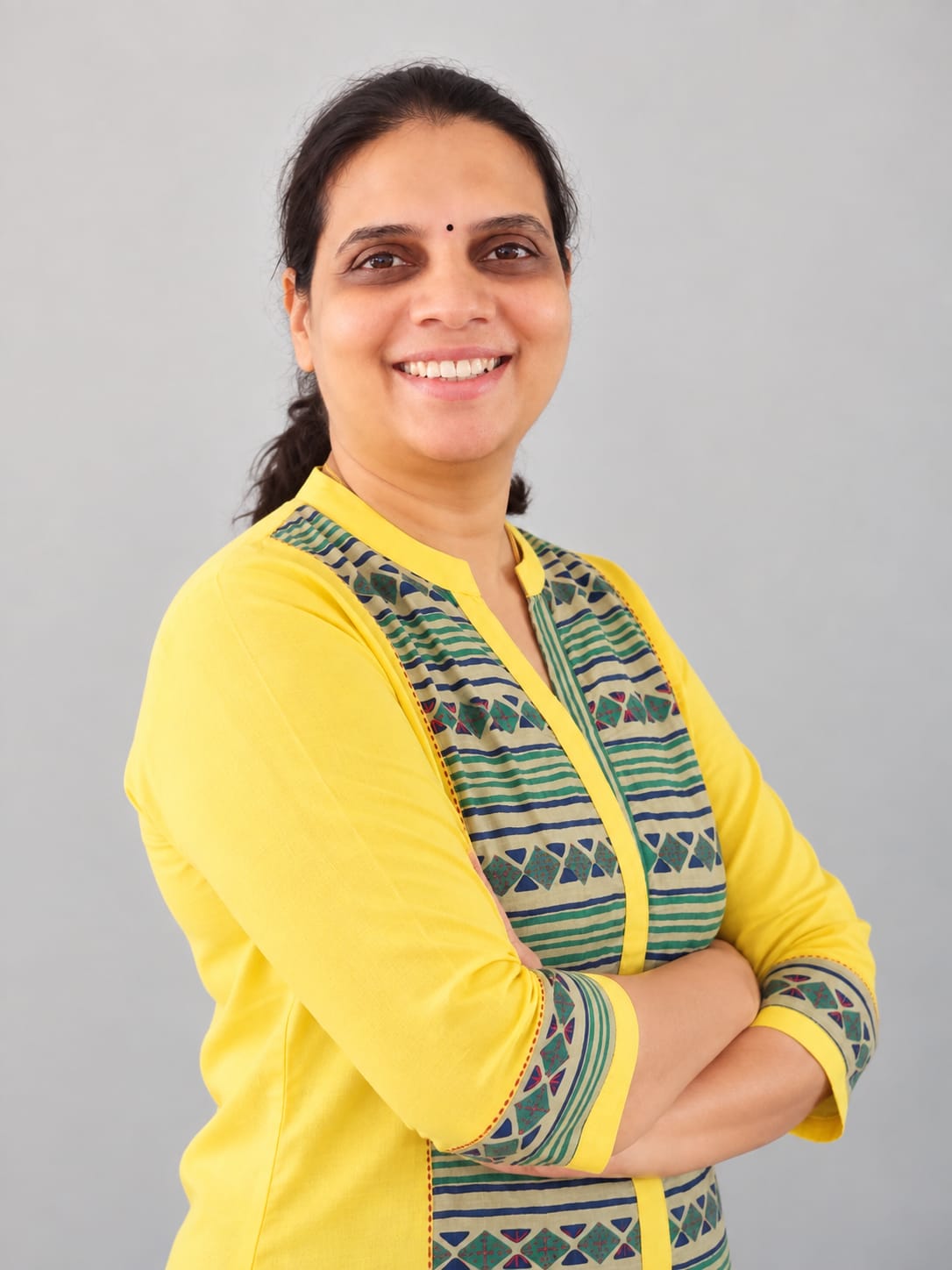
S. Ramya
Parents ask me what makes this school different. The honest answer is not the track or the laboratories, though we are proud of both. It is that a teacher here can name every child's weakest topic.
We cap class sizes and we do not raise the cap to fill a year group, even when that means turning away an admission. Sport, music, dance and art are timetabled subjects, graded and reported, including in examination years — because a child's ability is rarely confined to what an examination measures.
University guidance begins in Grade 8, not in the final term. By then it is a rescue, not a plan.
Who is accountable,
and for what.
You should be able to name the person responsible for your child's academic progress, wellbeing and safety. At Keystage you can.
The Management Trust
Sets direction, approves investment and holds the school to account. Reviews academic outcomes, safeguarding and staffing at every monthly sitting.
The Principal
Accountable for academic standards, staff quality, discipline and the culture of the school. Available to parents by appointment, and present at the gate most mornings.
Academic Coordinators
One for primary, one for secondary. They own curriculum delivery, assessment calendars, teacher observation and the quality of written feedback.
Heads of Department
Subject leaders responsible for schemes of work, laboratory use, examination preparation and the professional development of their teams.
Student Wellbeing & Counselling
Pastoral care, transition support, a trained counsellor, and the anti-bullying policy — enforced rather than framed on a wall.
University Guidance
Subject-choice advice from Grade 8, university shortlisting from Grade 10, and the applications, references and portfolios that follow.
The half of school
that never appears
on a report card.
Houses, clubs, assemblies, trips, competitions and the ordinary business of growing up in a place where you are known.
The house system
Every student belongs to a house from day one, competing through the year in sport, quiz, debate and the arts. Where mixed-age friendships are actually formed.
Student council
Elected representatives from Grade 5 upward who run events, raise concerns with the Principal and hold real, if modest, budgets.
Clubs every week
Robotics, coding, debate, eco, photography, chess, theatre, reading and entrepreneurship — timetabled, not left to lunch break.
Assemblies that mean something
Student-led, weekly, on themes that matter — and the place where achievement gets named in front of the whole school.
Trips & excursions
Field study, industry visits, heritage trips and an annual residential from Grade 6 upward. Learning that cannot happen in a classroom.
Celebration & culture
Annual day, sports day, science exhibition, cultural festivals and prize giving. A school year with a rhythm families can plan around.
Built before it
was promised.
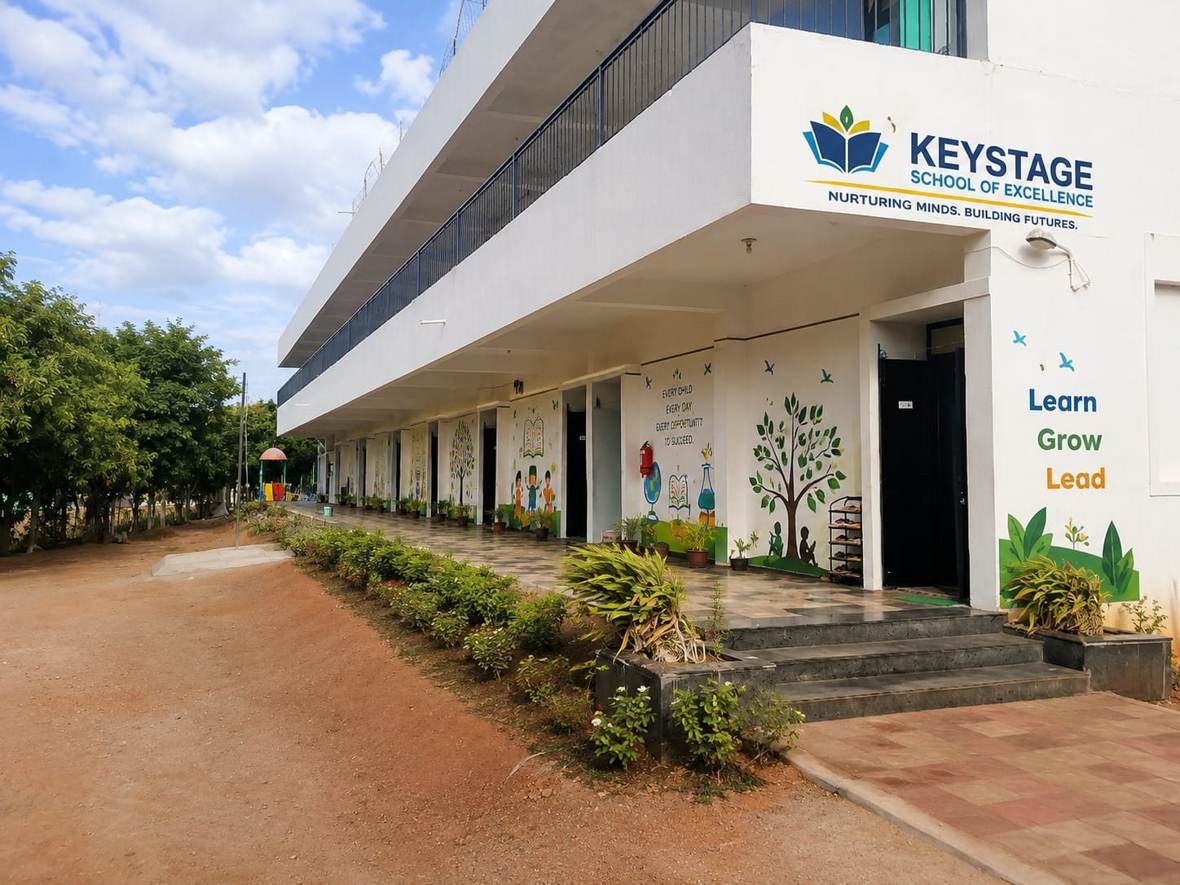
A great deal of school marketing describes facilities that are still drawings. Everything listed below exists and is in use. Come and check.
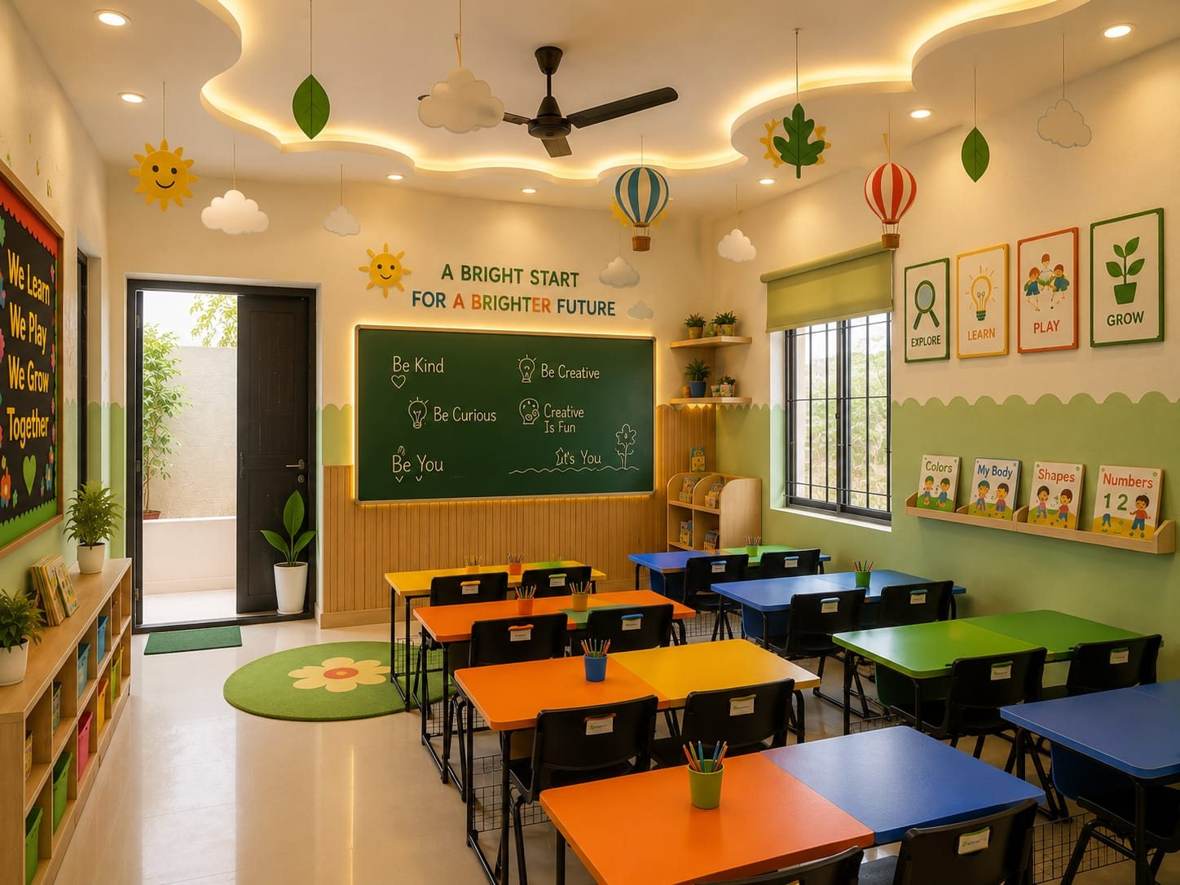
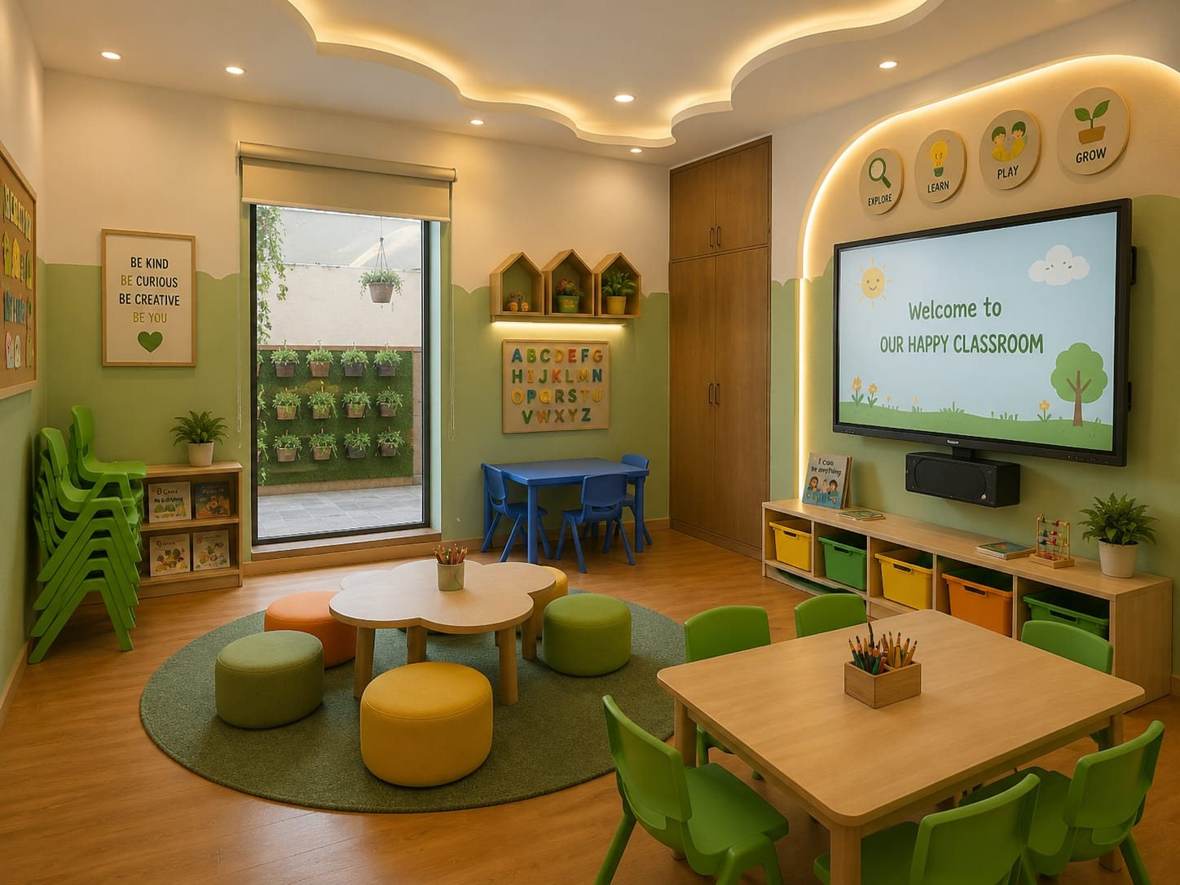
- Spacious, well-lit classrooms with interactive display panels
- Physics, chemistry and biology laboratories
- Computer laboratory and a dedicated robotics space
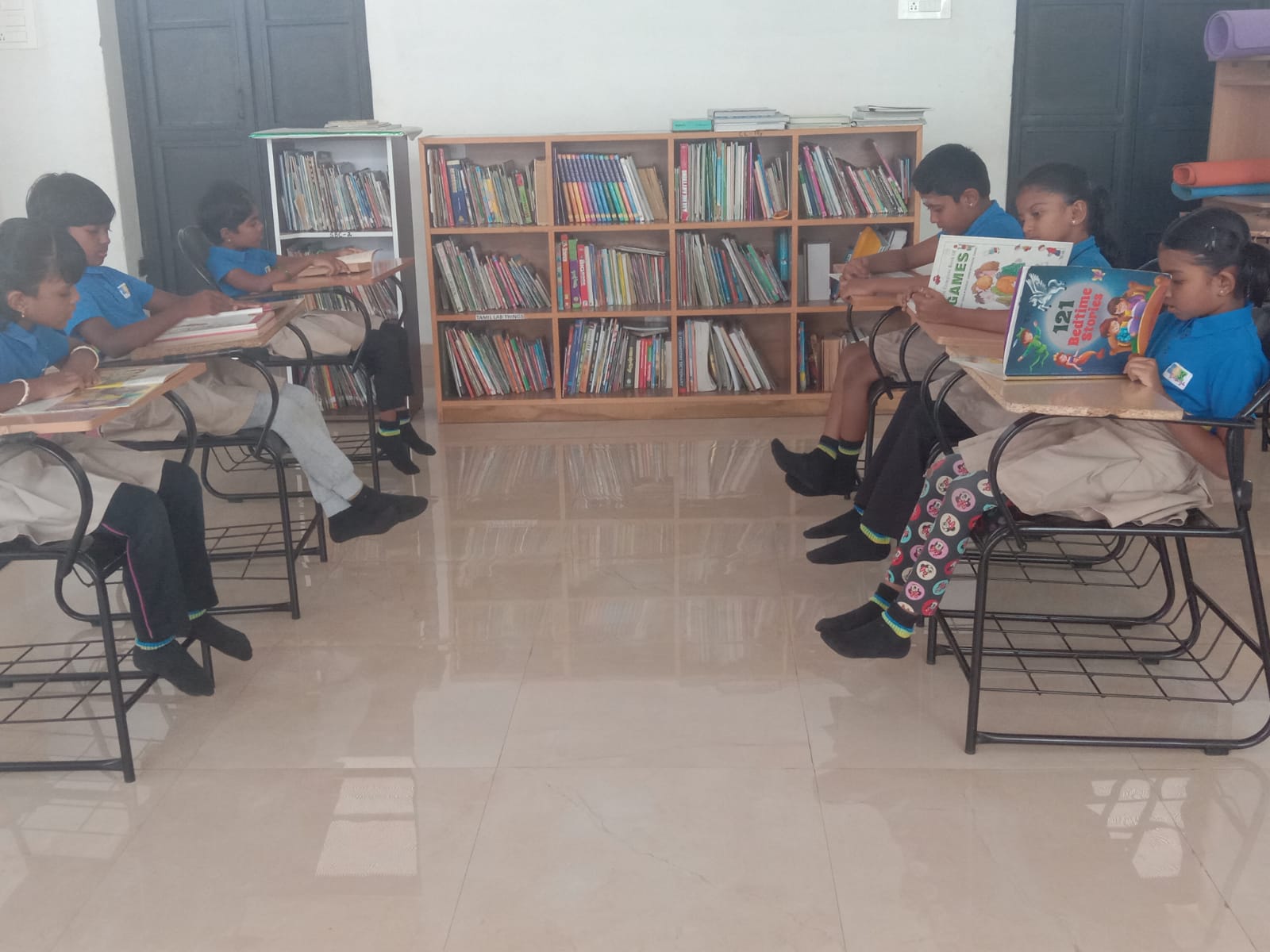
- Library and reading room with a graded lending collection
- Art studio, music room and a dance and movement hall
- 400m to 100m athletics track and a football turf
- Basketball court and outdoor training area
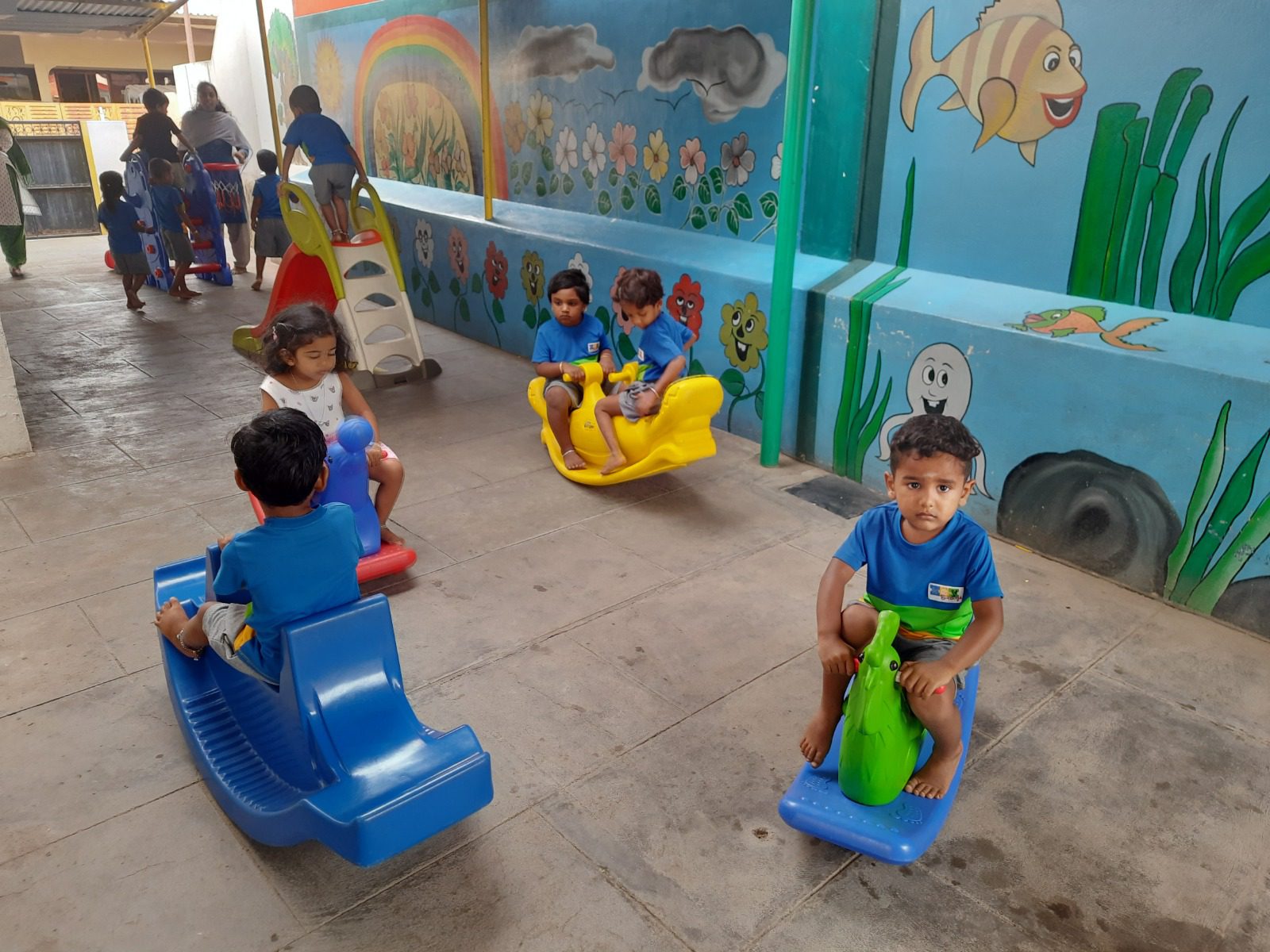
- Junior play zone for the primary years
- Medical room, counselling room
- CCTV coverage, controlled entry and GPS-tracked transport
Sport, art, music, dance —
on the timetable.
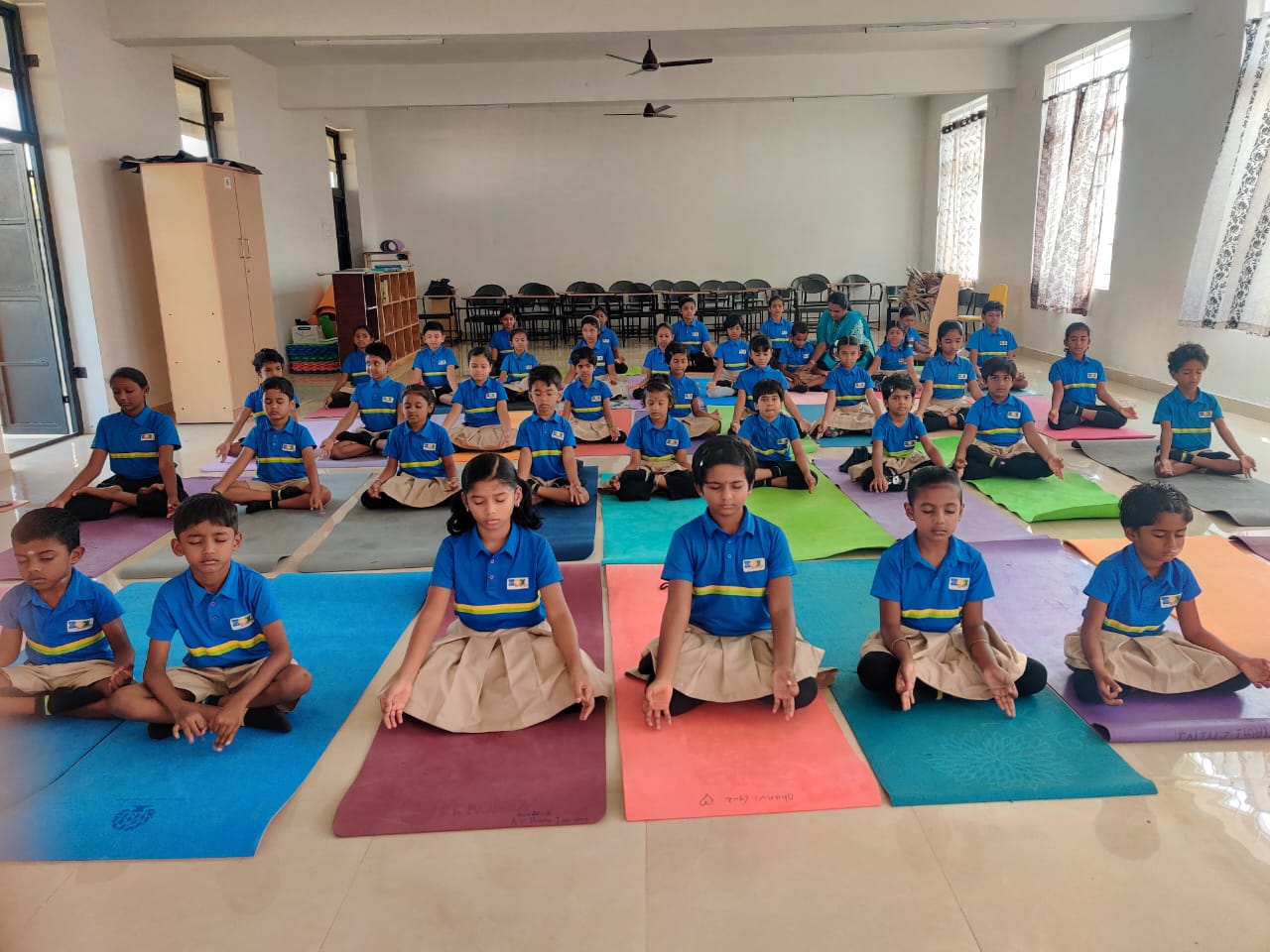
Not enrichment. Not extras. Scheduled subjects with specialist teachers, graded and reported, because a child's ability is rarely confined to what an examination measures.
Beyond school
University guidance
Shortlisting, entrance requirements, personal statements, references and applications — started in Grade 9, not in the final term.
Careers & exposure
Industry visits, alumni and parent speaker sessions, internships for senior students and career counselling from Grade 8.
Community service
A structured service programme — environment, literacy and community projects that students plan and run themselves.
Competitions
Olympiads, science and robotics contests, MUN, debate and sport at district level and above, prepared for properly.
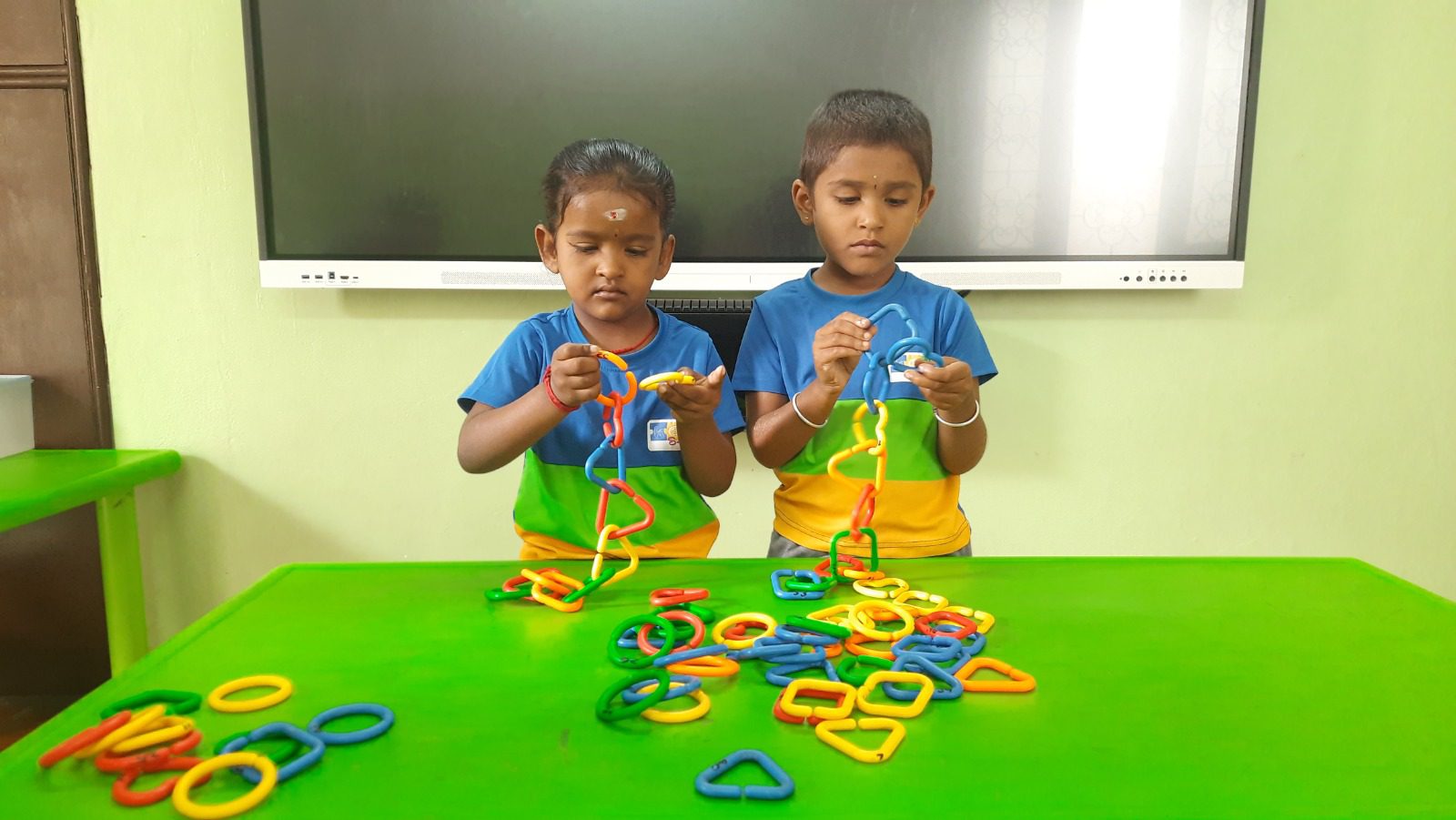
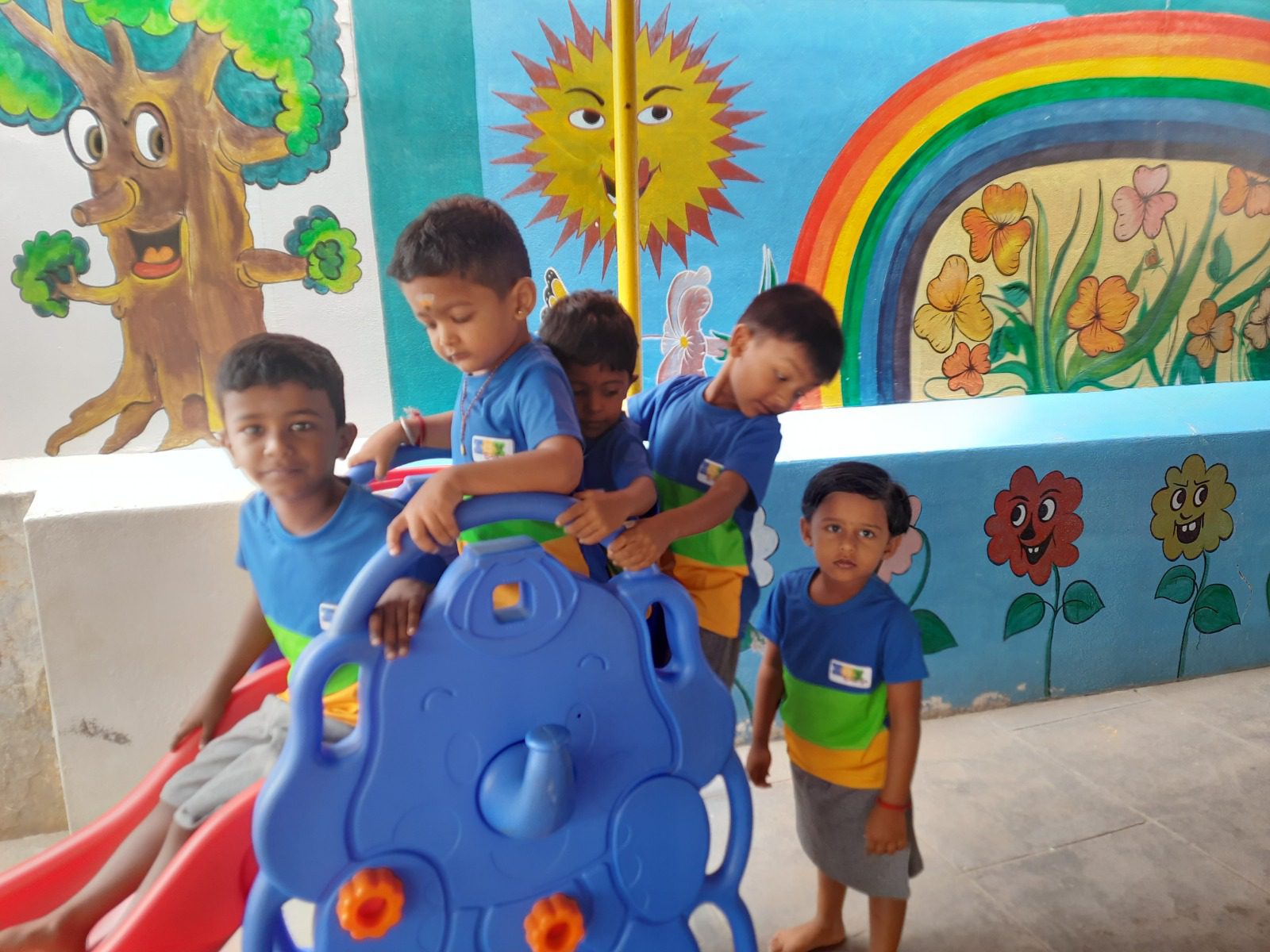
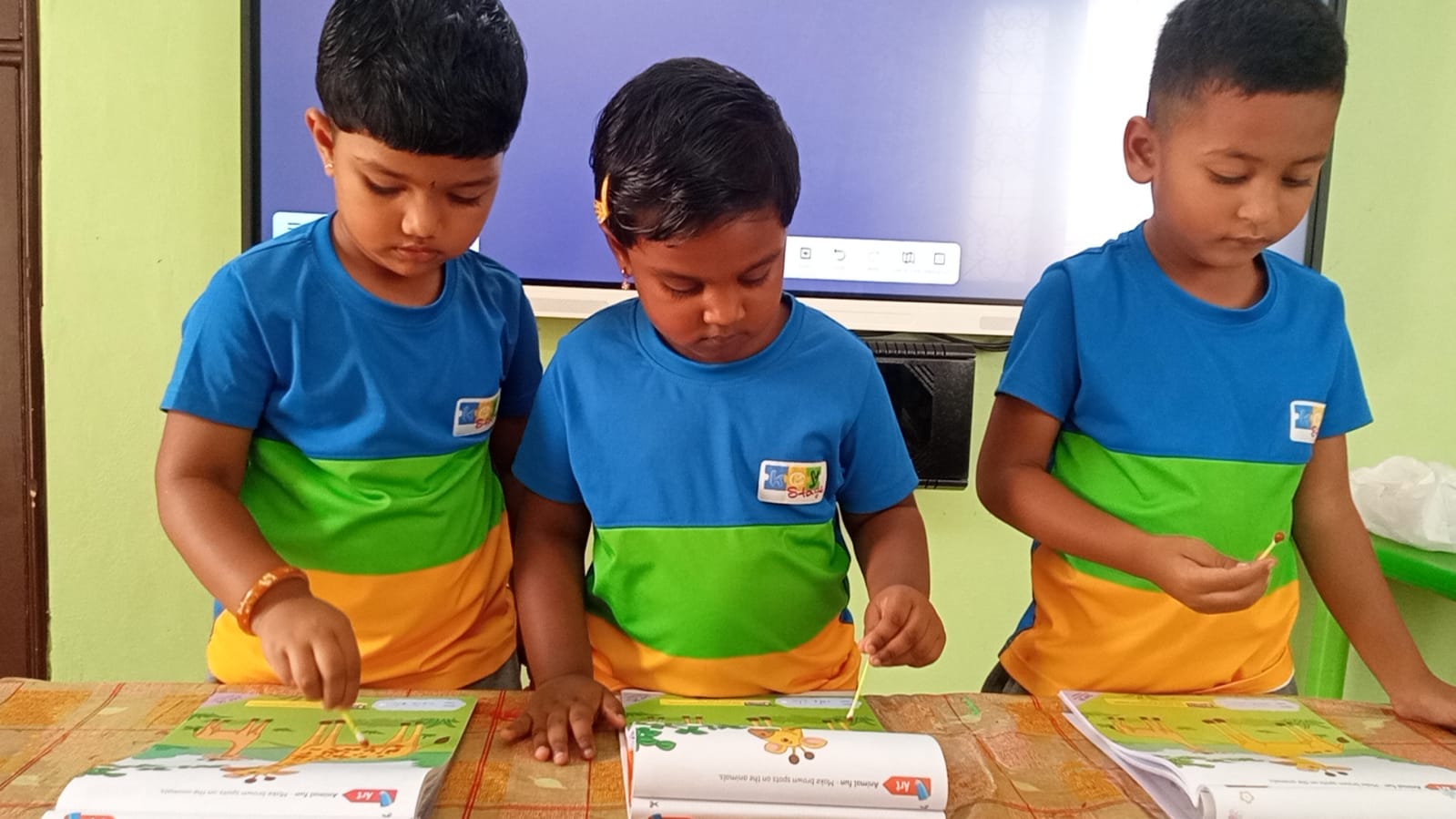
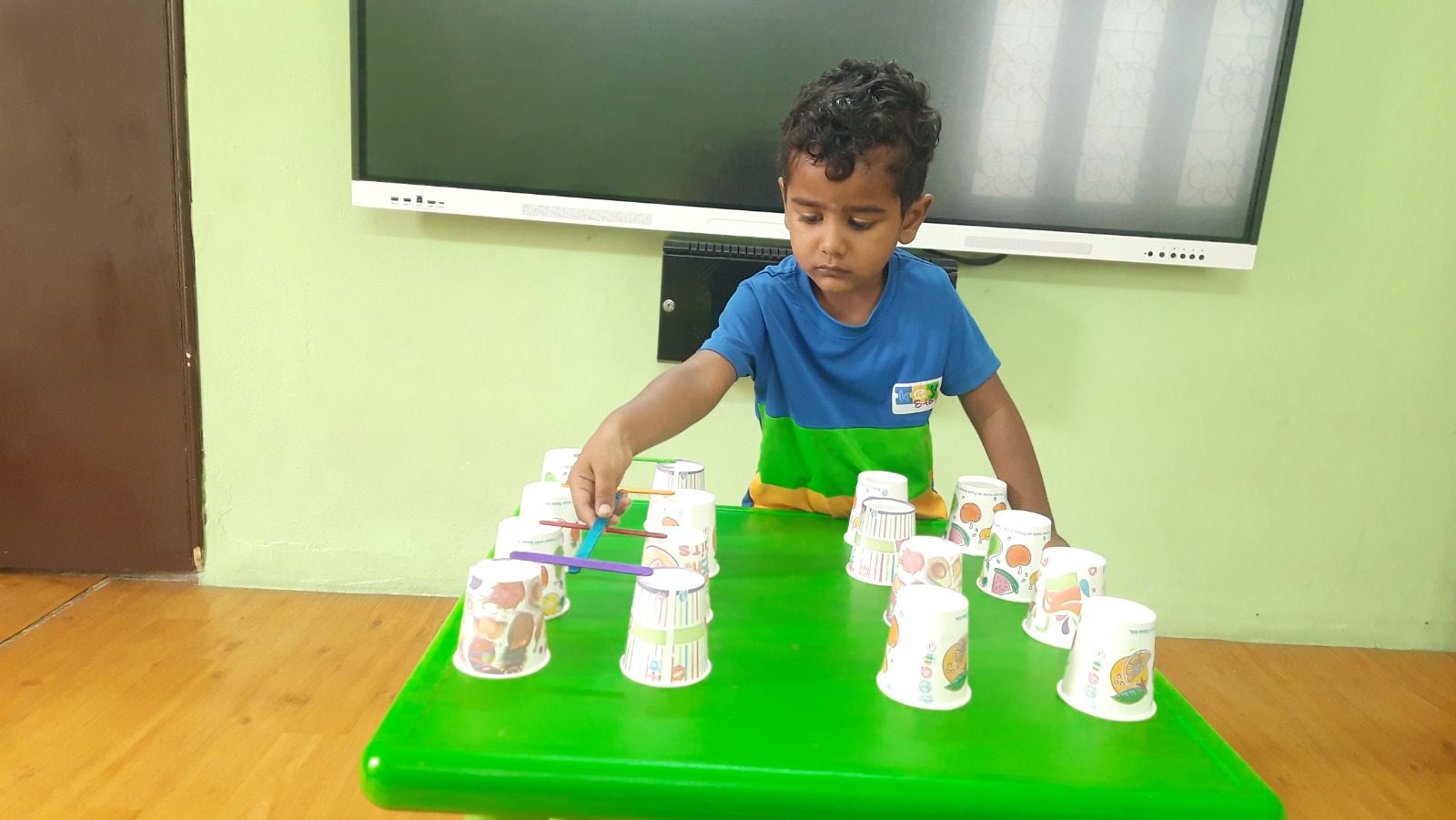
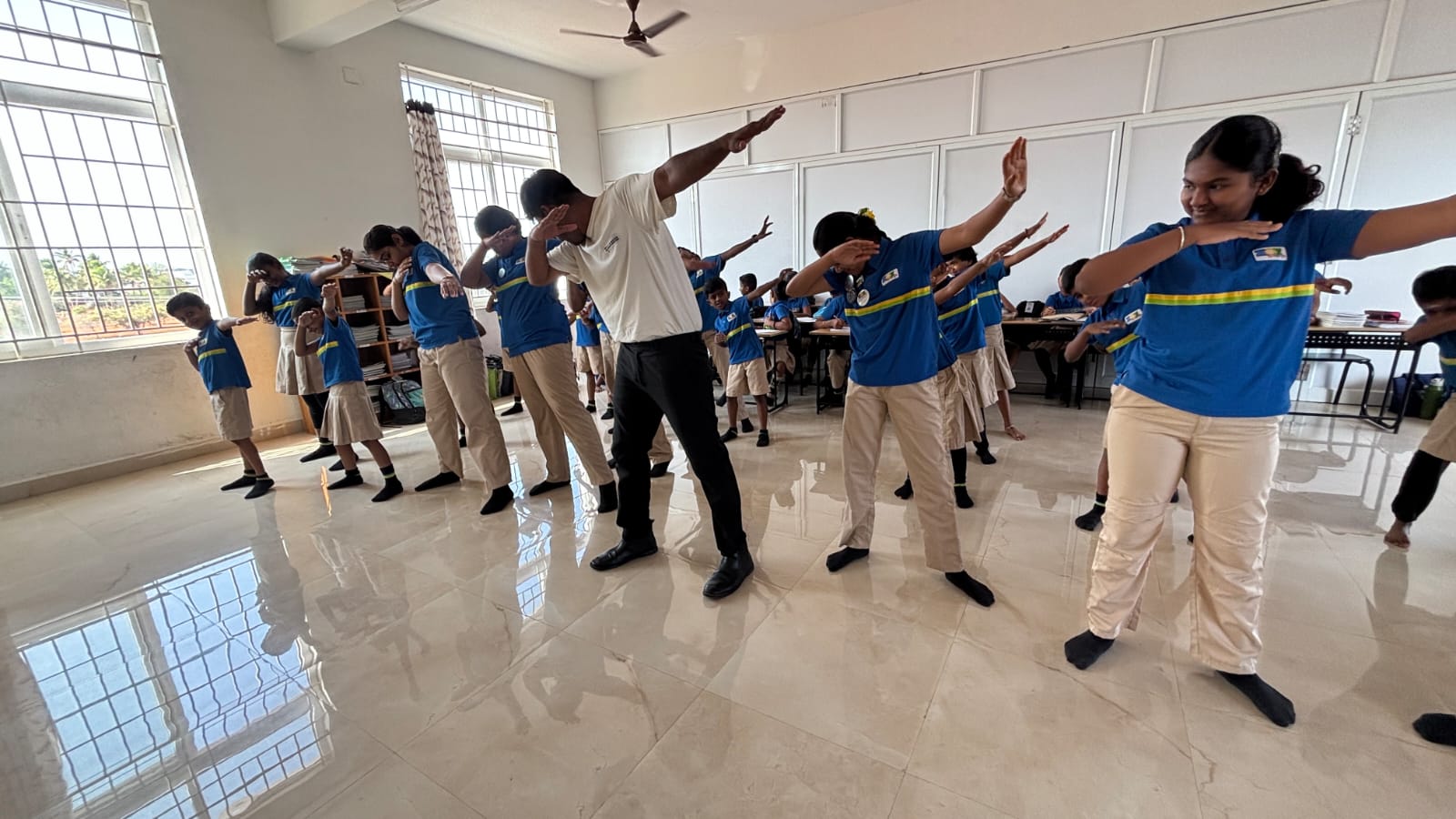
Have a look around.
Six steps,
clearly set out.
We admit on fit rather than on a single test score, and we will tell you honestly if we think another school suits your child better.
Enquire
Call, WhatsApp or submit the form. We respond the same working day.
Campus visit
See classrooms in session, the laboratories, the library and the sports facilities. Bring your child.
Interaction & assessment
A short assessment in English and mathematics for placement, plus a conversation with the child and the family.
Offer & fee card
A written offer with the complete, itemised fee structure. No component left to be discovered later.
Documentation
Previous report cards, transfer certificate, birth certificate, photographs and address proof.
Bridge & induction
Students joining from another board complete a first-term bridge programme in English and mathematics.
Request a call back
Tell us about your child and our admissions team will call you the same working day.
The honest answers.
We are moving from CBSE. Will my child cope?
Most do, within a term. The content overlap is substantial; what changes is the style of questioning, which moves from recall towards explanation and application. We assess on entry, place accordingly and run a structured bridge programme in English and mathematics through the first term.
Is Edexcel recognised by Indian universities?
Yes. A Levels are accepted by Indian universities, and students go on to degree programmes in India as well as abroad. We check the specific requirements of each target university with the family during Grade 11.
How large are the classes?
Capped by design, at a ratio of roughly one teacher to fifteen students. We will not raise the cap to fill a year group, which occasionally means we decline an admission we could otherwise accept.
Does my child have to choose between sport and academics?
No, and we would push back if you asked us to make them. Sport, music, dance and art are timetabled for every grade. Students who compete seriously get an adjusted schedule rather than a choice.
What are the fees?
Fees vary by grade and by whether you take transport. We share the full itemised fee card — tuition, admission, examination, transport and materials — at your campus visit, with nothing held back for later.
Do you take admissions mid-year?
Yes, subject to seats and to placement assessment. Mid-year joiners get an induction plan and are paired with a buddy in their class.
My child is currently at Keystage Pre School. What happens next?
UKG students move directly into Grade 1 with no fresh admission process and no entrance test. Your place is held, and the Grade 1 teachers meet the UKG teachers before the transition.
Keystage Scholarship Test
Merit should not wait
for a fee cheque.
The Keystage Scholarship Test is open to students entering Grades 6 to 11. It exists so that a capable child in this region is not kept out of a Pearson Edexcel education by what it costs.
- Open to students entering Grades 6 to 11 from any board
- Written test in English, mathematics and reasoning, followed by an interview
- Awarded purely on merit — no separate application fee
- Held on campus, with the date confirmed on registration
- Scholarship value confirmed in writing with the admission offer
eligible
of award
fee
Palladam
How it works
Register
Complete the short form. We confirm your test date and reporting time by phone and email.
Sit the test
Ninety minutes on campus — English, mathematics and reasoning, pitched at the grade applied for.
Interview
A conversation with the student and family, with the Academic Coordinator present.
Award
The scholarship value is confirmed in writing alongside the admission offer.
Reach us
Call, message, email
or simply turn up.
Every line below is live and answered Monday to Saturday, 8:30 AM to 5:00 PM.
Call us
+91 75400 15802
Message us now
Email us
contact@keystage.in
Visit us
Palladam, Tiruppur District, Tamil Nadu
Get directions →
Follow the school
Prospectus
Take the whole school
home with you.
Two brochures, one for each school — curriculum, facilities, the day, the fee structure and how to apply.
Keystage Pre School
Pre-Nursery to UKG. Play-based curriculum, the daily routine, day boarding, the parent work station and campus safety.
Keystage School of Excellence
Grade 1 to 12. The Pearson Edexcel pathway, subject map, sport and arts, university guidance and admissions.
Come and see a lesson,
not a brochure.
Visit on a working day. Sit in on a class, walk the laboratories, see the track being used and ask us anything you like — including the questions other schools avoid.